

Top High-Quality PVC Fluid Control Mold Suppliers in China: 2026 Wholesale & Sourcing Guide
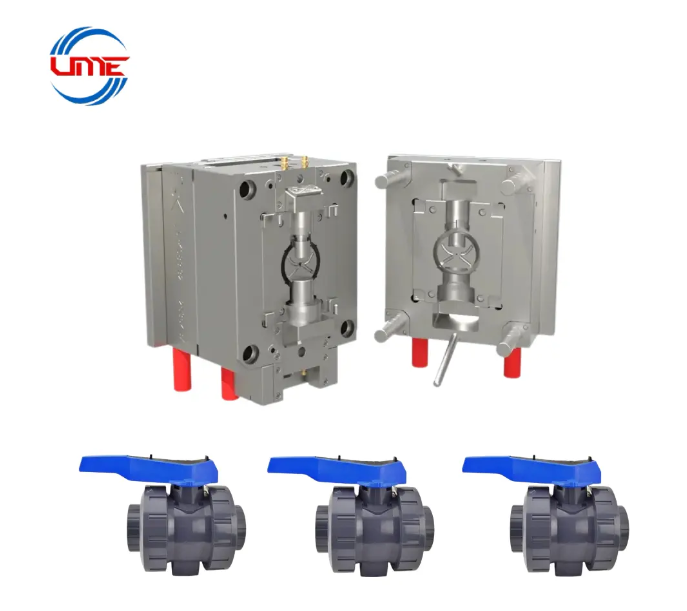
Top High-Quality PVC Fluid Control Mold Suppliers
Summary: Sourcing from a reliable China high-quality PVC Fluid Control Mold Supplier guarantees long-lasting corrosion-resistant tooling, precise valve sealing tolerances, and optimized cycle times for industrial piping systems.
1. Understanding PVC Fluid Control Mold Manufacturing: Market Realities and Sourcing Challenges
In industrial piping, water treatment facilities, chemical processing plants, and agricultural irrigation networks, PVC fluid control components—such as ball valves, butterfly valves, check valves, and threaded fittings—play a fundamental role in regulating fluid pressure and direction. Unlike standard plastic components, fluid control products must maintain dimensional stability, flawless thread engagement, and leak-proof sealing under continuous hydraulic pressure. Consequently, manufacturing PVC fluid control injection molds requires a balance of mechanical precision and metallurgical knowledge.
Procurement officers, tooling engineers, and OEM plant managers face substantial technical obstacles when purchasing bulk PVC valve molds internationally. PVC (Polyvinyl Chloride) and UPVC (Unplasticized Polyvinyl Chloride) present severe processing challenges during injection molding:
Corrosive Gas Generation: At elevated molding temperatures, PVC resin releases corrosive hydrochloric acid (HCl) gases. Unprotected tooling steels degrade rapidly, resulting in surface pitting, gate erosion, and premature mold failure.
Thermal Sensitivity and Narrow Processing Windows: PVC exhibits high melt viscosity and poor thermal stability. Inadequate runner designs or hot spots cause material degradation, severe discoloration, and structural weakness in finished valve bodies.
Complex Internal Geometries and Undercuts: Ball valve bodies and compact check valves feature intricate internal flow channels, threads, and sealing grooves. Designing reliable core-pulling mechanisms, collapsible cores, and slide systems that operate smoothly without flash or jamming requires advanced engineering.
High Pressure Sealing Tolerances: Microscopic dimensional variations in valve seats or stem housings lead to fluid leakage under operating pressures, rendering entire production runs unusable.
Partnering with an experienced Top China UPVC Fluid Control Mold Manufacturer helps injection molders overcome these challenges through specialized anti-corrosion mold steels, optimized hot runner systems, and high-precision CNC tooling routines.
2. Material Science and Real-World Application Scenarios
The performance of a PVC fluid control mold depends on metallurgy and fluid dynamics engineering. Overseas buyers must look beyond initial tooling costs to evaluate how mold design choices affect real-world production reliability and product performance.
Anti-Corrosion Metallurgy and Tooling Steel Selection
Technical Approach: To counteract HCl corrosion, specialized toolmakers utilize high-chromium stainless mold steels such as DIN 1.2083, Stavax, or S136, hardened to 48–52 HRC. Vacuum heat treatment combined with core-surface chrome plating or physical vapor deposition (PVD) coatings protects core and cavity surfaces from chemical attack while maintaining pristine surface polishes over hundreds of thousands of cycles.
Application Scenario — Municipal Water Treatment Infrastructure: Municipal water filtration plants rely on large-diameter UPVC butterfly and ball valves to regulate corrosive water treatment chemicals. Molds built with corrosion-resistant stainless steel maintain tight sealing tolerances across long production runs, ensuring valve bodies withstand continuous hydrostatic pressures without structural weeping.
Precision Core-Pulling and Mold Flow Optimization
Technical Approach: Complex valve bodies require multi-stage hydraulic slide mechanisms, angled core pullers, and precise parting-line matching to accommodate internal threads and sealing O-ring seats. Computer-aided mold flow analysis guides gate placement, runner balancing, and venting layouts, reducing shear stress and preventing air traps or weld-line weaknesses.
Application Scenario — High-Density Industrial Chemical Piping: In industrial chemical processing facilities, compact double-union ball valves must handle aggressive fluids under varying temperature and pressure conditions. Mold designs incorporating optimized cooling channels and balanced gating ensure uniform wall thicknesses, preventing sink marks, internal voids, and dimensional distortion in high-stress valve housings.
3. Resolving Tooling Bottlenecks with Specialized Engineering Solutions
Purchasing high-performance molds requires moving past supplier sales claims to verify engineering capabilities. A dependable China Best PVC Fluid Control Mold factory addresses injection molding problems through structured design principles and precision manufacturing controls:
1.
Uniform Cooling Channel Layouts: Conformal cooling and strategically placed beryllium-copper inserts accelerate heat dissipation around thick valve sections, reducing overall cooling time, preventing part warping, and shortening total cycle times.
2.
3.
Precision Thread and Sealing Feature Execution: Automatic unscrewing mechanisms driven by hydraulic motors or rack-and-pinion systems produce clean, high-precision male and female NPT/BSP threads. This eliminates manual post-processing, guarantees tight thread engagement, and prevents fluid bypass in assembly.
4.
5.
Modular Insert Construction: High-wear areas—such as gates, runners, and core pins—are designed as replaceable modular inserts. This simplifies maintenance, allowing molders to replace worn components locally without taking the main mold base offline for extended repairs.
6.
7.
Integrated Mold Venting Systems: Advanced micro-venting along parting lines and ejector pins facilitates gas escape during high-speed injection, preventing gas burns, short shots, and surface blemishes on critical sealing surfaces.
8.
4. Enterprise Capabilities, Technical Infrastructure, and R&D Excellence
Selecting an overseas mold manufacturing partner requires evaluating workshop hardware, quality management systems, and engineering expertise. UM Tech Mold (Umtechmold) has built a solid reputation as a specialized mold maker delivering high-grade PVC valve molds, fitting tooling, and custom injection solutions to global trade partners.
Advanced Machining Infrastructure and Engineering R&D
UM Tech Mold operates an advanced manufacturing facility equipped with high-precision 5-axis CNC machining centers, high-speed CNC milling units, precision wire-cut EDM machinery, and mirror-surface EDM equipment. The engineering department combines CAD/CAM design capabilities with deep metallurgical experience in chemical-resistant tooling. By integrating mold flow simulation software early in the design phase, the engineering team optimizes runner layouts, gating positions, and wall thickness transitions before steel cutting begins, minimizing design revisions and accelerating time-to-market.
Quality Management and Testing Protocols
Operating under cGMP principles and rigorous ISO quality standards, UM Tech Mold implements systematic inspection procedures throughout the manufacturing workflow:
Steel Certification and Heat Treatment Verification: Raw mold steels undergo ultrasonic flaw testing and chemical composition analysis, accompanied by third-party heat treatment certification to guarantee specified Rockwell hardness levels.
In-Process Machining Inspections: CMM (Coordinate Measuring Machine) inspection routines audit critical core, cavity, and slide dimensions after each major machining step, ensuring micrometric accuracy.
Full Mold Trial Testing (T1 Phase): Molds undergo comprehensive in-house sampling under realistic PVC processing conditions. Sample valve components are subjected to dimensional inspection, pressure burst testing, and sealing integrity checks before customer delivery.
With broad custom capabilities, modular tooling options, and dedicated technical support, UM Tech Mold provides international business partners with reliable, long-term manufacturing solutions.
5. B2B Sourcing Checklist: Auditing Your PVC Mold Supplier
Procurement teams and tooling engineers can utilize this five-step audit process when evaluating potential mold making partners in China:
Step 1 — Verify Mold Steel Specifications: Request material origin certificates and heat treatment logs to confirm the use of genuine anti-corrosion stainless steels (such as S136 or 1.2083) for all PVC-contact surfaces.
Step 2 — Review Mold Flow Analysis Reports: Evaluate runner balancing, gate locations, and predicted cooling patterns to ensure the design mitigates PVC shear heat and gas trapping.
Step 3 — Inspect Core-Pulling and Threading Mechanisms: Confirm that hydraulic slides, angled pins, and automatic unscrewing units feature hardened wear plates and guided alignment locks for long-term stability.
Step 4 — Validate Mold Trial Testing (T1 Phase): Require full inspection reports (FAI), video footage of automatic mold operation, and pressure test results for sample molded parts.
Step 5 — Check Packaging and Export Protection: Confirm that finished molds receive anti-rust coatings, protective vacuum wrapping, sturdy wooden crating, and complete spare parts documentation prior to ocean shipment.
Working directly with established, specialized mold manufacturers eliminates unnecessary trading company markups, secures transparent technical communication, and guarantees long-term tool performance.
6. Localization Frequently Asked Questions (FAQ)
Q1: How do international buyers verify tooling quality when working with a China high-quality PVC Fluid Control Mold Supplier?
Answer: Overseas buyers should request complete material traceability documentation, including steel origin certificates and third-party hardness test reports for cavity and core inserts. A transparent supplier provides comprehensive CMM dimensional inspection reports, mold flow simulation data, and high-definition video recordings of T1 mold trials demonstrating smooth ejection and core-pulling cycles. Requesting physical sample parts via express courier allows your internal quality engineering team to test thread fit, surface finish, and pressure limits before final mold shipment approval.
Q2: What mold steel grades are recommended for high-volume UPVC valve mold manufacturing?
Answer: Because processing UPVC releases corrosive gases, core and cavity inserts should use high-chromium stainless mold steels such as Stavax, DIN 1.2083, or AISI 420, vacuum-hardened to 48–52 HRC. For non-molded structural components, P20 or S50C steel mold bases provide structural support. In high-wear gate areas or thick valve sections requiring rapid heat dissipation, incorporating corrosion-protected beryllium-copper inserts helps balance mold temperatures and shorten overall cycle times.
Q3: What maintenance routines extend the service life of a PVC valve injection mold?
Answer: Due to potential acid residue build-up during processing, production operators should wipe down cavity and core surfaces with neutralizing agents at the end of each shift. Ejector pins, slides, and core-pulling mechanisms require continuous lubrication with high-temperature synthetic grease. When pausing production or storing the mold, molders should thoroughly purge the injection barrel, apply heavy-duty anti-rust sprays to all exposed steel surfaces, and store the tool in a temperature-controlled, low-humidity environment.
Conclusion & Strategic Sourcing Recommendation
Building a competitive supply chain for PVC fluid control components requires partnering with tooling suppliers based on verified metallurgical capabilities, precise CNC machining, and proven mold design expertise. Selecting a dedicated Top China UPVC Fluid Control Mold Manufacturer ensures access to chemical-resistant tooling, tight dimensional controls, and reliable long-term production economics for demanding global applications.
To explore custom valve mold specifications, request tooling quotes, or review technical case studies, visit UM Tech Mold.
NINGBO UME MOULD CO., LTD.
NINGBO UME MOULD CO., LTD.
+86 19957022393
info@umtechmold.com
Legal Disclaimer:
EIN Presswire provides this news content "as is" without warranty of any kind. We do not accept any responsibility or liability for the accuracy, content, images, videos, licenses, completeness, legality, or reliability of the information contained in this article. If you have any complaints or copyright issues related to this article, kindly contact the author above.
