

Soft Skeletal Implants Market to Reach US$ 12.9 Billion by 2033, Growing at 6.3% CAGR | Persistence Market Research
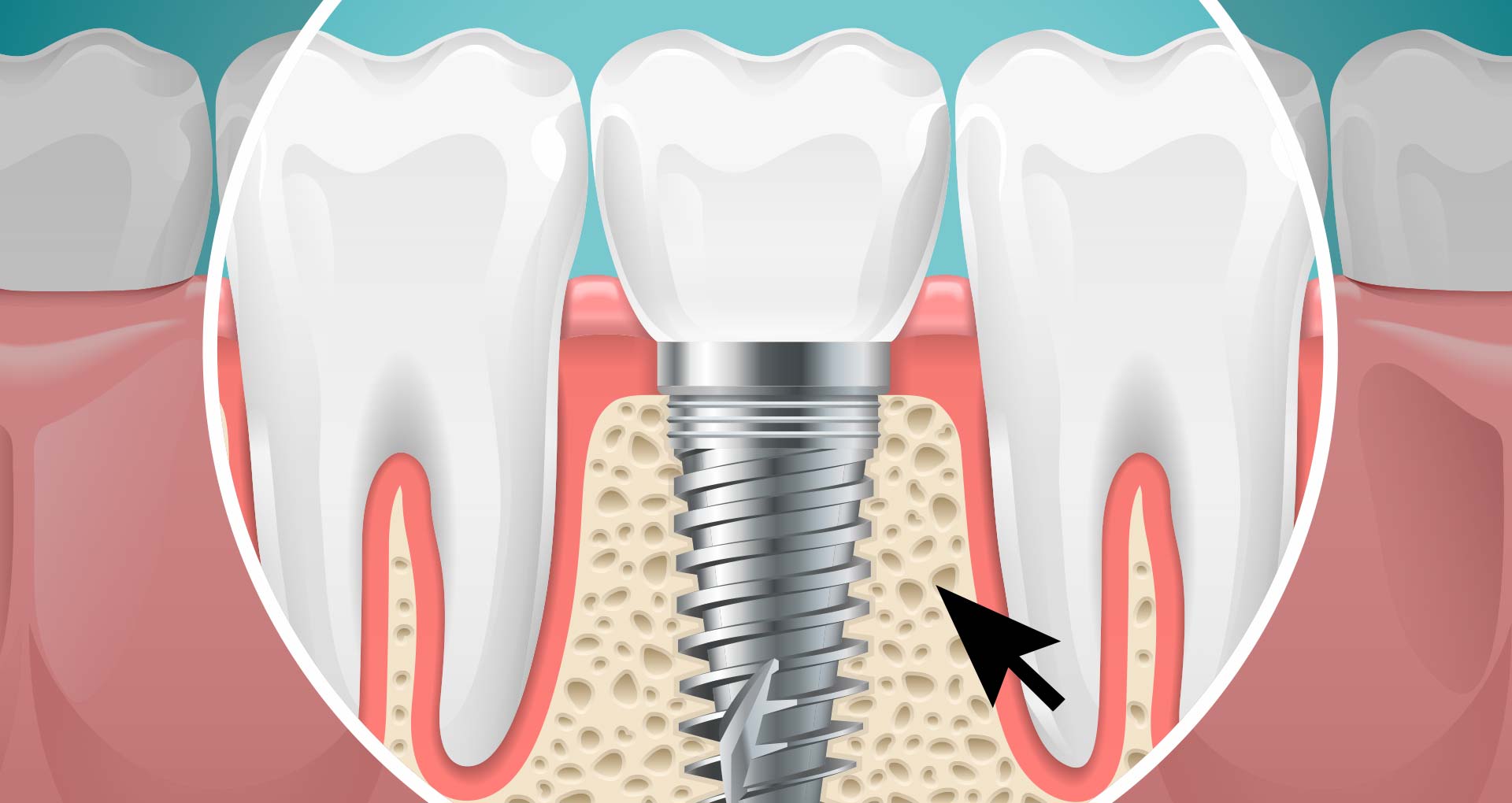
soft skeletal implants market
The soft skeletal implants market is growing due to rising musculoskeletal injuries, aging population, advancements in minimally invasive surgical technologies.
LONDON, UNITED KINGDOM, April 21, 2026 /EINPresswire.com/ -- The global soft skeletal implants market is poised for substantial growth, with a projected value of US$ 8.4 billion in 2026. It is expected to reach US$ 12.9 billion by 2033, growing at a compound annual growth rate (CAGR) of 6.3% during the forecast period from 2026 to 2033. The growth of this market is driven by several key factors, including the increasing incidence of musculoskeletal injuries, rising participation in both professional and recreational sports, and the aging global population. These factors have contributed to a surge in sports-related trauma cases, particularly ligament and tendon injuries requiring surgical interventions.
Download Your Free Sample & Explore Key Insights: https://www.persistencemarketresearch.com/samples/24292
Key Market Drivers and Trends
One of the primary drivers of the soft skeletal implants market is the rising burden of musculoskeletal disorders. According to the World Health Organization (WHO), over 1.7 billion people are affected by musculoskeletal disorders globally. Additionally, the Centers for Disease Control and Prevention (CDC) estimates that approximately 8.6 million sports-related injuries occur annually in the United States alone. The growing number of these injuries, especially in younger athletes and active adults, is fueling the demand for soft skeletal implants like suture anchors and interference screws used in orthopedic and sports medicine surgeries. Furthermore, the aging global population is more susceptible to degenerative musculoskeletal conditions such as rotator cuff tears and anterior cruciate ligament (ACL) injuries, further driving the need for implants.
Technological advancements in implant materials and surgical procedures are also contributing to market growth. Innovations in bioabsorbable and bio-composite materials are enhancing the performance and clinical outcomes of implants. These materials are becoming more widely used in minimally invasive and arthroscopic procedures, offering reduced recovery times and fewer complications. Additionally, favorable reimbursement policies in developed markets and the expansion of orthopedic healthcare infrastructure in emerging economies are also expected to support the growth of the soft skeletal implants market.
Key Insights and Segment Analysis
In 2026, suture anchors are expected to lead the market, accounting for approximately 34% of the revenue share. These implants are commonly used in rotator cuff repair and ligament reconstruction procedures, where secure fixation is critical. Their high strength, ease of insertion, and compatibility with minimally invasive techniques make them highly preferred by surgeons. Grafts, however, are expected to be the fastest-growing segment, driven by their increasing use in ligament reconstruction and regenerative procedures.
From a material perspective, metallic implants, including titanium and stainless steel, are anticipated to account for around 38% of the market share in 2026. These implants are favored for their durability and strength. However, bioabsorbable materials, such as polylactide (PLA) and polyglycolide (PGA), are projected to be the fastest-growing segment, expanding at a CAGR of 7.5% through 2033. Bioabsorbable implants eliminate the need for secondary surgeries to remove the implants, providing greater patient comfort and reducing long-term healthcare costs.
Get Custom Insights Designed for Your Businecss: https://www.persistencemarketresearch.com/request-customization/24292
Regional Market Insights
North America is expected to dominate the soft skeletal implants market, accounting for approximately 38% of the global market share in 2026. This dominance is due to the strong healthcare infrastructure in the region, particularly in the United States, where high procedural volumes in orthopedic care drive the demand for soft skeletal implants. The region benefits from well-established reimbursement policies, advanced surgical technologies, and widespread use of arthroscopic procedures, further reinforcing its leadership in the market.
The Asia-Pacific region, however, is expected to register the fastest growth, with a projected CAGR of over 7% during the forecast period. This growth is driven by rapidly improving healthcare infrastructure, increasing access to orthopedic care in countries like China, India, and Japan, and rising awareness of advanced treatment options. As healthcare spending continues to rise in emerging markets, access to soft skeletal implants is expected to improve, resulting in higher procedural volumes.
Technological Advancements and Market Challenges
Technological advancements in implant design and materials are transforming the soft skeletal implants market. Innovations like bio-integrative implants, which actively support biological healing, and advancements in regenerative medicine are reshaping treatment standards. The growing preference for minimally invasive procedures is also driving the demand for advanced soft tissue fixation devices, which reduce recovery time and enhance clinical outcomes. For example, the development of bioabsorbable "bone glue" for faster fracture repair showcases how treatment pathways are becoming more efficient and less invasive.
Get Custom Insights Designed for Your Businecss: https://www.persistencemarketresearch.com/request-customization/24292
Market Segmentation
By Implant Type
Suture Anchors
Interference Screws
Cortical Fixation Devices
Soft Tissue Fasteners
Grafts
Scaffolds
By Material Type
Metallic
Polymer
Bioabsorbable
Bio-composite
Biologic
By Fixation Mechanism
Mechanical Fixation
Bio-integrative Fixation
Hybrid Fixation
By Region
North America
Europe
East Asia
South Asia & Oceania
Latin America
Middle East & Africa
Competitive Landscape and Market Outlook
The soft skeletal implants market is moderately consolidated, with key players such as Johnson & Johnson (DePuy Synthes), Stryker, Smith & Nephew, Arthrex, and Zimmer Biomet holding significant market shares. These companies focus on continuous innovation, including the development of bioabsorbable materials, biologically integrated implants, and minimally invasive surgical solutions. Smaller players, such as CONMED and Integra LifeSciences, are also contributing to market growth by offering specialized, cost-effective implant solutions, particularly in emerging markets.
The increasing demand for advanced orthopedic solutions, coupled with rising surgical volumes in emerging markets, presents significant growth opportunities for market players. As healthcare infrastructure improves in regions like Asia-Pacific and Latin America, the soft skeletal implants market is expected to continue its upward trajectory, driven by technological innovation and rising patient demand for effective, minimally invasive treatments.
Read Related Reports:
Vitamin D Testing Market: The global vitamin D testing market is projected to grow from US$1.2 Bn in 2026 to US$2.0 Bn by 2033, registering a CAGR of 8.3%.
Healthcare Mobile Robot Market: The global healthcare mobile robot market is set to grow from US$4.5 Bn in 2026 to US$8.8 Bn by 2033, registering a CAGR of 10.2%.
Persistence Market Research
Persistence Market Research Pvt Ltd
+1 646-878-6329
email us here
Visit us on social media:
LinkedIn
Instagram
Facebook
YouTube
X
Legal Disclaimer:
EIN Presswire provides this news content "as is" without warranty of any kind. We do not accept any responsibility or liability for the accuracy, content, images, videos, licenses, completeness, legality, or reliability of the information contained in this article. If you have any complaints or copyright issues related to this article, kindly contact the author above.
